ERAS HEADSHOT REQUIREMENTS
FOR 2026-2027

What follows covers the ERAS headshot requirements for the 2026-2027 application cycle from start to finish. Begin with the quick step-by-step, then jump to whichever sections apply to you.
I shoot ERAS headshots for medical students every cycle, and here is what I tell each of them up front: this photo carries more weight than you think. A program director works through hundreds of files, and your headshot registers before they have read one line of your personal statement. Your application will sit alongside hundreds of other students' applications, and professional lighting paired with a great expression that matches your professional attire will help you stand out. A poor photo does the opposite.
Step-by-Step: Your ERAS Headshot
- Book in June or early July. Sessions are easy to get early in the summer and nearly impossible by mid-August, when every applicant in the Valley wants the same week.
- Bring a couple of options to choose from. The ERAS Express is a one-outfit session, so we'll pick the single strongest look together before we shoot. Solid colors, interview-level professional, and bring your white coat if you want it.
- Prep the night before. Sleep, water, and clothes pressed and ready by the door. Your skin and eyes both show how the week went.
- Let me coach you. Most med students have never been photographed professionally. I walk you through angles, posture, and expression until you look confident instead of frozen.
- Pick your favorite on the spot. We review the shots together and you choose the one that looks the most like you on a good day.
- Upload to MyERAS. Your edited photo arrives within 24 hours, already sized, cropped, and compressed to spec. You log in, upload, and assign it to your programs.
ERAS Photo Technical Requirements
For the 2026-2027 cycle, the ERAS photo requirements come down to these specs. Your photo has to clear all of them before MyERAS will accept the upload:
- File format: JPEG files only (.jpg). PNG, TIFF, and HEIC won't work.
- File size: 150 KB or under. That is tiny for a photo, so it has to be exported with that ceiling in mind.
- Print size: 2.5 inches across by 3.5 inches tall, portrait orientation, the same proportions as a passport photo.
- Pixel size: 375 by 525 pixels, which is what 2.5 by 3.5 inches works out to at 150 DPI.
- Color: RGB, full color, not grayscale.
- Background: solid and neutral. Plain gray or light blue is standard. Nothing behind you, no gradients.
- Composition: head and shoulders, face centered, eyes around the upper third of the frame.
- Expression: relaxed and approachable. A soft, genuine smile photographs best.
- Not allowed: hats, sunglasses, heavy filters, or anyone else in the photo.
The file size cap is where most do-it-yourself photos fall apart. A full-resolution image off a phone or camera is several megabytes, and squeezing it down to 150 KB without turning your face to mush takes care. When you book an ERAS headshot session with me, I format the file to these exact specs and also send a high-resolution copy for LinkedIn or your program's website. You don't resize or compress anything yourself.
The AAMC can adjust technical wording each cycle. Confirm the live specs in your MyERAS portal before you submit. I keep my export settings current with every cycle.
What to Wear for Your ERAS Headshot
For most specialties, business professional is the bar. Dress the way you would for a residency interview. The ERAS Express is a one-outfit session, so feel free to bring a couple of options and we'll settle on the strongest look together before we start.
- A blazer or suit jacket in navy, charcoal, or black, worn over a plain collared shirt in white or pale blue.
- Stick to solid colors. Busy patterns, plaids, and stripes compete with your face and can shimmer oddly on camera.
- Go easy on bright or neon shades. Under studio lights they throw color onto your skin and pull focus.
- Keep accessories simple. Small studs are fine; skip anything that draws the eye away from your face.
- Leave the scrubs at the hospital, even surgical applicants. This photo calls for professional dress.
The white coat is its own debate. A short coat can come across as presumptuous to certain directors since you haven't matched yet, though plenty of applicants wear one with no trouble. My suggestion is to bring it and we'll decide together before we shoot whether the coat or the jacket alone is the stronger call. Surgical fields skew more formal, while pediatrics and family medicine tend to welcome a bit more warmth. If you're unsure, err formal. It's easy to soften your look at an interview, but you can't redo this photo once the cycle is underway.
For a deeper breakdown on colors and fit, see my what to wear to your headshot session guide.
What Program Directors Actually Look For
After years of shooting residency applicants and hearing back from the ones who matched, the pattern is clear. What they want is a real person on the page, not a glamour shot and not a stiff passport photo. A few things stand out to them:
- An honest, easy expression, not a clenched grin or a flat stare.
- A look that suits the specialty, with pressed clothing and tidy grooming.
- Solid technical work: a head-and-shoulders crop, clean light, and crisp focus.
- A close match to real life. The face on the application should be the face that shows up to interview, because a wide gap between the two gets noticed.
When to Schedule Your ERAS Headshot
For most specialties ERAS opens in early September. Aim to shoot in June or July, have your file locked by August, and submit well ahead of the window. Here is how summer tends to go on my calendar:
- June and July: the sweet spot. There's time to work around rotations, look over your images calmly, and reshoot if something is off.
- August: still workable, but the calendar tightens as everyone who put it off rushes in.
- September: crunch time. Few openings, more pressure, no margin for a redo. If you're reading this in September, reach out today rather than next week.
- October: past the point for most programs. Your application ought to be in already.
Every summer a few students reach me in the final days of August, anxious over something that should have been an easy 20 minutes. Don't let it creep up on you.
Book Your ERAS Headshot Before the Rush
June and July slots fill fast. Lock in your session now and check one thing off your application list.
Book Your ERAS SessionCommon ERAS Headshot Mistakes I See Every Year
Over the years I've fixed or reshot plenty of ERAS photos, and the same handful of problems keep showing up.
- Sending a selfie or phone snapshot. Reviewers spot these instantly. A front camera held close warps your features, the light is patchy, and once ERAS compresses the file it looks soft.
- Going overboard on retouching. The goal is you on a good day, not a filtered stranger. I clean up blemishes and tired eyes but leave your actual face alone, since a photo that doesn't match you in person makes for an awkward interview.
- A distracting backdrop. Shelves, a bedroom wall, an outlet by your ear. The spec wants a plain, neutral background for good reason.
- Off cropping. Cropped to just a face or pulled back to the whole torso both look wrong. Head and shoulders is the mark to hit.
- Uploading an AI-made headshot. Some directors have begun catching these and raising them in interviews. Not a gamble worth taking.
- Looking different than you will at interviews. Plan to interview with a beard, shoot with the beard. Going clean-shaven, shoot that way.
- Exporting the wrong file type. I've seen students arrive with iPhone HEIC files that won't load into the portal at all. It has to be a JPEG.
Why Professional Matters (and What It Costs)
Set a hallway phone photo beside a row of real headshots and it stands out, just not the way you want. The light is wrong, the angle is wrong, the background is cluttered, and reviewers notice on sight.
My ERAS Express session runs $300 and covers the shoot, posing and expression coaching, professional retouching, your final ERAS-formatted image, and a high-resolution copy for LinkedIn. That's less than one textbook. Against the cost of medical school and the stakes of the match, it's an easy call.
Expression Coaching: The Part Most Photographers Skip
Most med students tense up in front of a camera, which makes sense. Four years went into lecture halls and rotations, not photo shoots. That's the reason coaching comes built into every ERAS session.
I walk you through the tiny changes that make the difference: drop the chin a touch, settle your weight, think of something that brings out a real look instead of a held smile. The aim is confident and easy, never rigid. Most people loosen up within a couple of minutes, usually right after they see a frame they like.
ERAS Headshots in Phoenix
I photograph medical students from Midwestern University, the University of Arizona College of Medicine, AT Still, and Creighton's Phoenix campus for their ERAS applications every cycle, and it's honestly one of my favorite stretches of the year. You're at a big, jittery turning point, and I enjoy helping you show up well for it.
My ERAS Express session includes:
- A focused 20-minute studio session, one outfit and one look
- Neutral background options, gray or light blue
- Posing and expression coaching
- You choosing your favorite image on the spot
- Professional retouching that still looks like you
- Your image formatted to ERAS specs, plus a high-resolution copy for LinkedIn
- Delivery within 24 hours, with same-day rush retouching available for $50
My studio is in North Phoenix with easy access from the 101 and I-17, a short drive from every major medical school in the Valley. I keep my export settings matched to the live ERAS requirements each cycle, so the file you get uploads clean. See ERAS Express session details and pricing here.
Topics
Ready to Book Your ERAS Headshot?
Book in June or July while the calendar is open. Get your photo to spec and uploaded before the September submission window.
Book Your ERAS SessionRelated Articles

WHAT TO WEAR TO YOUR HEADSHOT SESSION
Complete guide on what to wear for your professional headshot session. Colors, styles, fit, and accessories that work best on camera.
Read More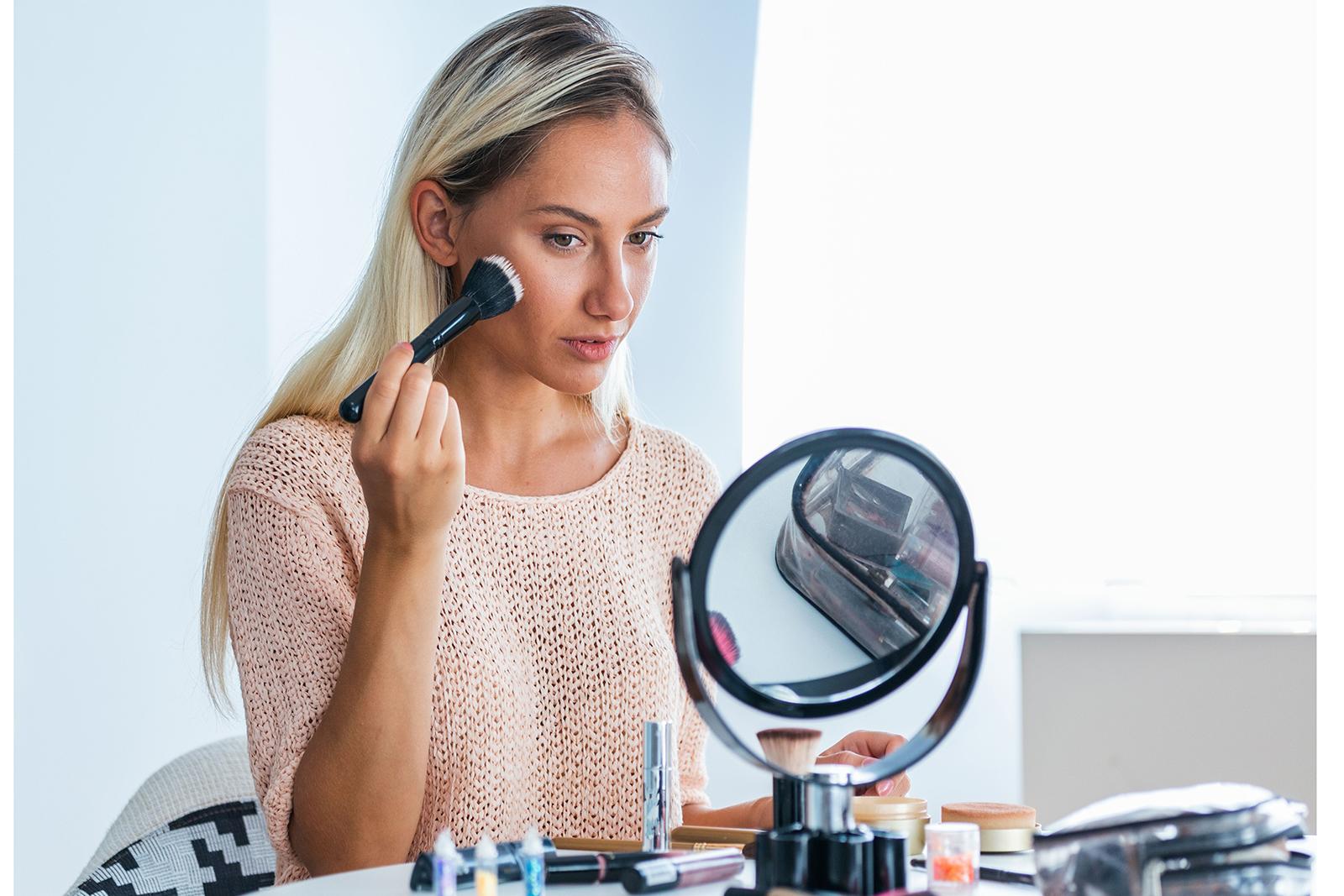
HOW TO PREP FOR YOUR BEST PROFESSIONAL HEADSHOT
Everything you need to know before your headshot session. From skincare to wardrobe to what to expect on the day.
Read More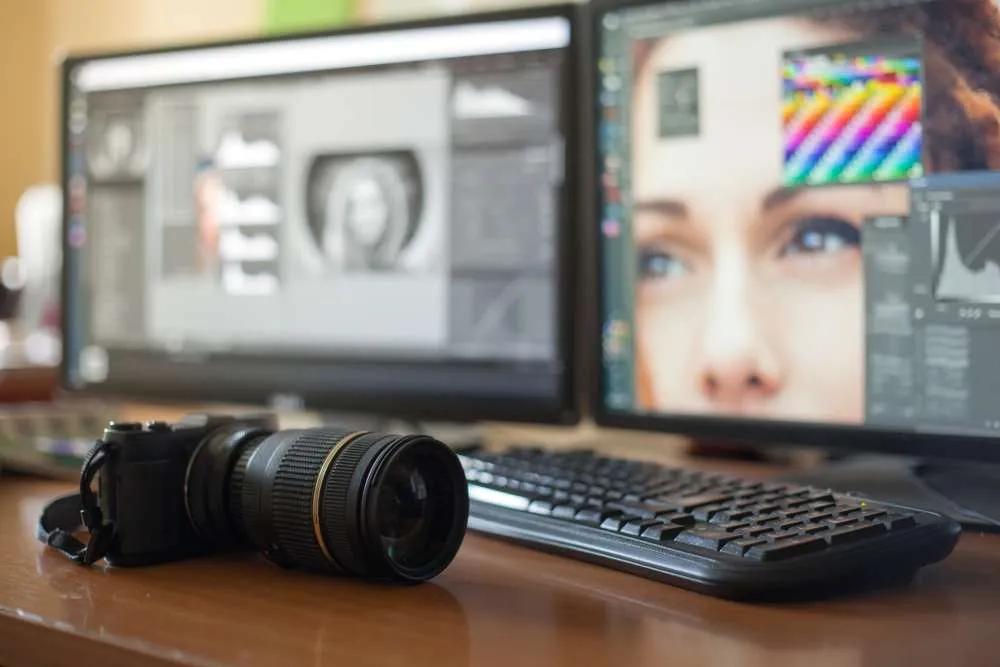
SHOULD THE PHOTOGRAPHER PHOTOSHOP YOU?
What's appropriate when it comes to retouching, and how to look your best while still looking like yourself.
Read More